
What Are Peptides? A Beginner's Guide to How They Work
Peptides have moved from research labs into everyday conversation — in skincare aisles, longevity podcasts, and clinic waiting rooms. But the word gets used so loosely that it is easy to lose track of what a peptide actually is. This guide gives you a clear, accurate foundation before you go any deeper.
The short definition
A peptide is a short chain of amino acids linked by peptide bonds — the same building blocks found in proteins. The key difference between a peptide and a protein is size. Chains of roughly 2 to 50 amino acids are called peptides; longer, folded chains are called proteins. Size matters: shorter chains behave differently in the body and are easier to design and manufacture.
- Amino acids: the individual building blocks.
- Peptide: a short chain of amino acids (roughly 2–50).
- Protein: a long, folded chain of amino acids.
What do peptides do?
Many of the body's own signalling molecules are peptides. Insulin, which manages blood sugar, is a peptide hormone. So are glucagon, oxytocin, and the GLP-1 hormones behind a generation of metabolic medications. Peptides act as precise messengers — switching specific biological processes on or off — which is why they matter so much for medicine and wellness.
Naturally occurring vs. therapeutic peptides
It helps to separate two ideas. Some peptides are made by your own body; others are synthesised in a lab and studied as therapies. When you read about a 'peptide' online, claims about a natural hormone like insulin are very different from claims about an experimental compound. Keeping that distinction in mind is the single most useful habit for cutting through the hype.
How to read peptide claims critically
The peptide space is full of confident claims and thin evidence. A few questions will protect you from most of the noise:
- Is there human evidence, or only cell-culture and animal studies?
- Was the peptide given the same way the claim assumes (oral, injected, topical)?
- Is the source citing regulators and peer-reviewed trials, or selling a product?
- Are the reported effects plausible for a molecule of that size and route?
A peptide is a tool, not a magic word. The interesting question is never 'is it a peptide?' but 'what does the evidence show for this peptide, in humans, at this dose?'
How peptides are used in medicine today
Peptide medicine is not new. Insulin — the first therapeutic peptide — has been saving lives since the 1920s. Dozens of peptide drugs have followed: oxytocin in obstetrics, calcitonin for bone disease, desmopressin for diabetes insipidus, and the GLP-1 agonists that transformed treatment of obesity and type 2 diabetes. What is new is the scale of public attention — driven largely by that last class.
Approved peptide drugs share a clear profile: a well-characterised mechanism, large human trials, regulated manufacturing, and dosing established through formal pharmacology. That is the standard against which every other peptide claim should be measured — because it is the standard that produced the successes.
Why peptides usually need to be injected
One practical detail shapes the whole peptide landscape: most peptides are digested like food if you swallow them. The stomach breaks peptide bonds — that is its job — which is why insulin and most GLP-1 drugs require injection. Be skeptical of oral products claiming systemic effects from a peptide that has never been shown to survive digestion. Exceptions exist — oral semaglutide required dedicated absorption technology — but those are hard-won engineering achievements, not the default.
Common misconceptions worth clearing up
- 'Natural means safe' — your body making a peptide does not mean extra amounts from outside are harmless; dose and context change everything.
- 'Peptides are basically supplements' — most therapeutic peptides are prescription drugs or unapproved research compounds, not dietary supplements, and the regulatory difference matters for quality control.
- 'If it worked in a study, it works in a cream' — route of administration is decisive; a peptide that does something when injected may do nothing through skin or by mouth.
- 'More expensive means more legitimate' — price signals nothing about purity or evidence in the unregulated market.
Where to go next
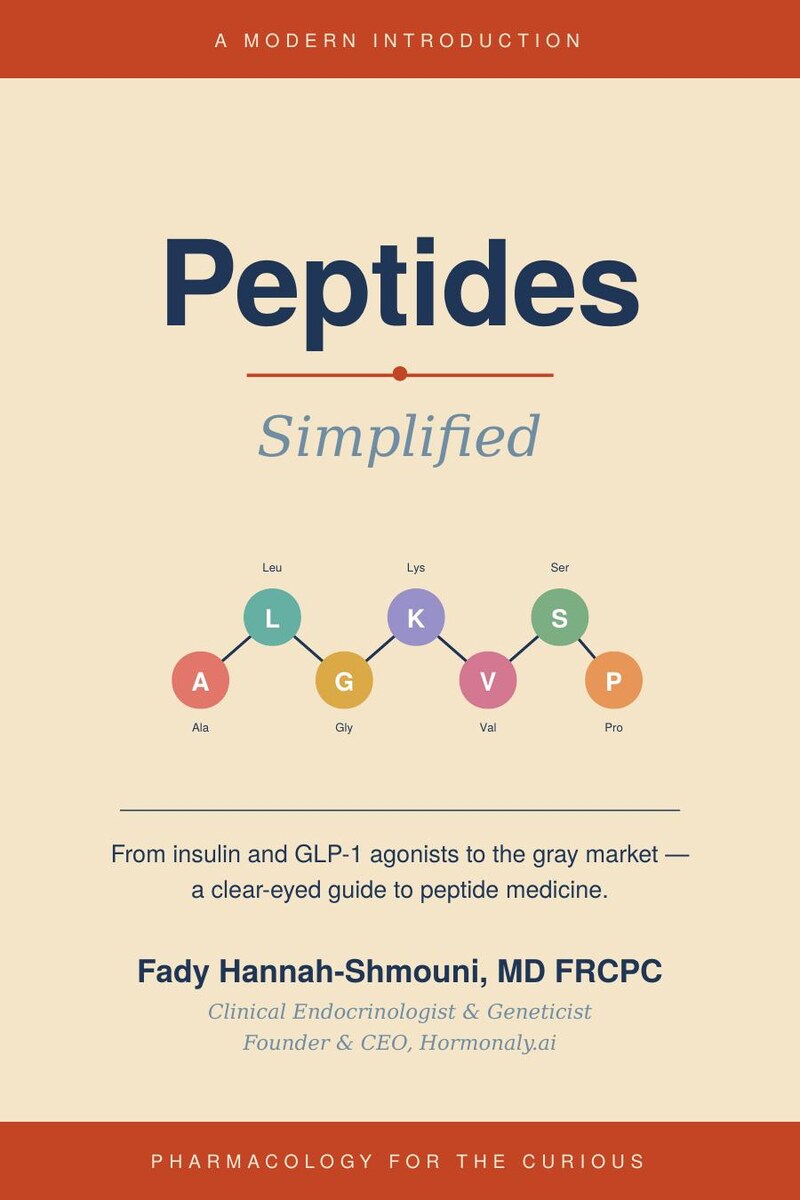
Looking for a structured, modern introduction? Our pocket guide takes you from the fundamentals to how specific peptides are studied — without drowning you in jargon.
This article is for general education and is not medical advice. Speak with a qualified healthcare professional before making decisions about your health, medications, or supplements.